How to Enable Dark Mode on Windows 10 and 11?

Do you want to enable dark mode on Windows 10 and 11?  

Turning on dark mode on a laptop desktop is very effective for your work. Easily select any custom color for the window theme on Windows 10 and 11. 

Click Here: Disable the Touchpad on Windows 10 and 11

Dark light increases the progress of a business. With dark light, you can do well work during daylight hours. It is specially designed for working in low-lit environments.

I am telling you how to enable dark mode in Windows 10 and 11.

Let’s get started.

Enable Dark Mode on Windows 10 and 11

Fellows step-by-step

Step 1 Select the Windows Start button and open “Settings”.

Step 2 Press “Personalization” in the setting list. Choose “Color” from the sidebar menu.
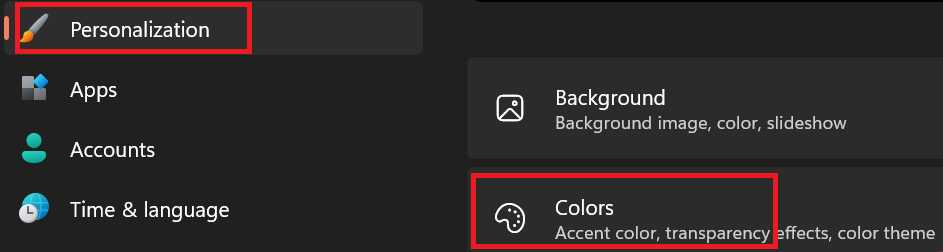
Screenshot

Step 4Choose your mode” and select “Dark

 Enable Dark Mode

Step 5 Scroll down and choose the custom color

After selecting dark mode, it can change the look of your Windows start menu.

conclusion

In conclusion, enabling Dark Mode on Windows 10 and 11 is a straightforward process that not only adds a stylish touch to your user interface but also reduces eye strain, especially in low-light environments. With just a few clicks, you can enjoy a more visually comfortable computing experience while conserving energy on devices with OLED or AMOLED screens.

We hope this article helped to enable dark mode on Windows 10 and 11.

If you enjoyed this post, please subscribe to our YouTube channel. You may also find us on Twitter, Pinterest, Instagram, and Facebook.

How do I put Windows 11 in dark mode?

To enable dark mode on Windows 11, open “Settings,” go to “Personalization,” and under “Choose your color,” select “Dark.”

Does Windows 11 have dark mode?

Yes, Windows 11 has a dark mode option that you can enable in the “Personalization” settings.

How do I get Windows 10 in dark mode?

To enable dark mode in Windows 10, go to “Settings,” choose “Personalization,” and under “Colors,” select “Dark.”

How do I enable dark mode in Windows 11 without activation?

You can enable dark mode in Windows 11 without activation by going to “Settings,” selecting “Personalization,” and choosing “Dark” under “Choose your color.” Activation is not required for this feature.
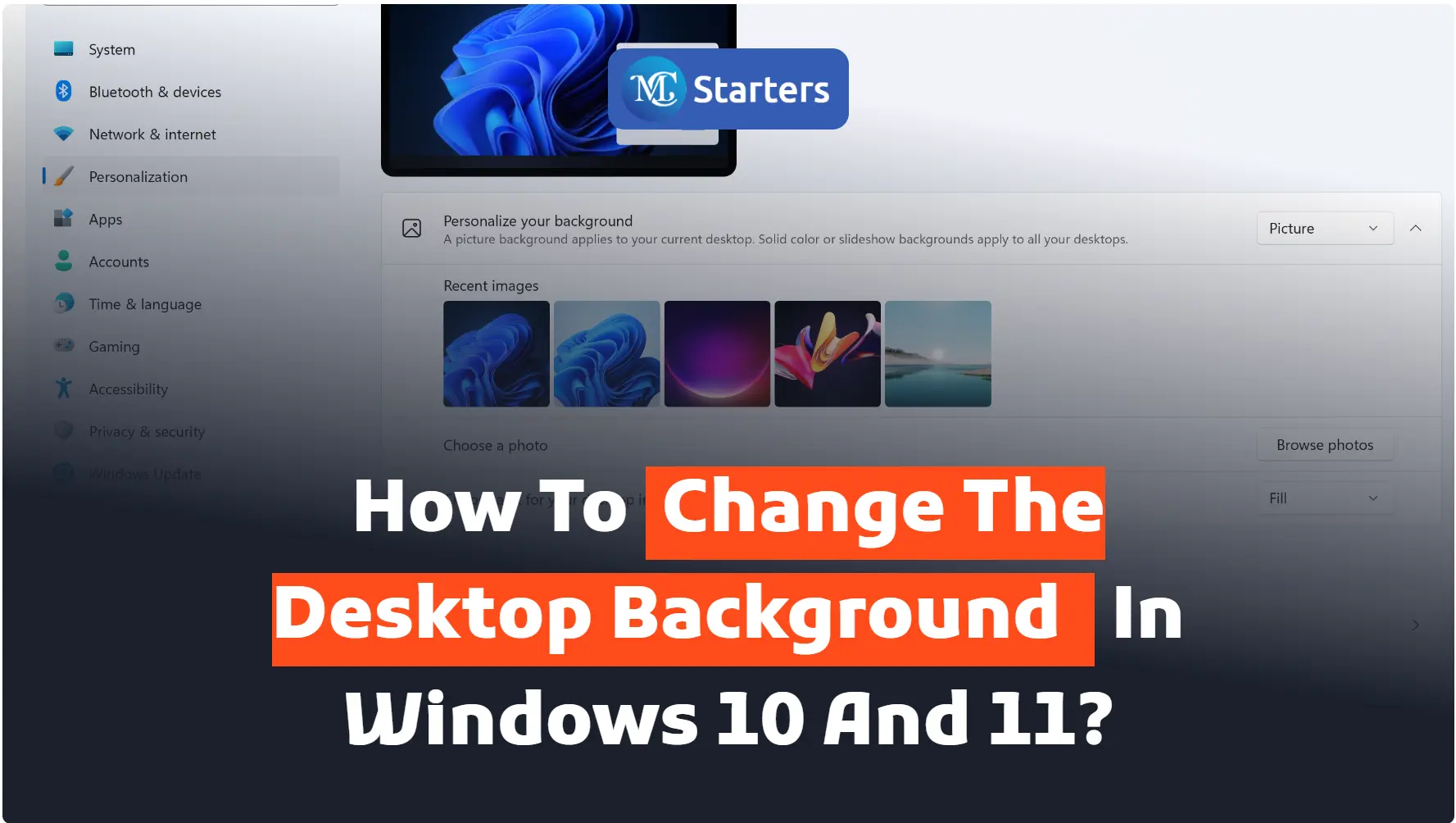
How to Change the Desktop Background on Windows 10 and 11?

Are you looking for a way to change the desktop background on Windows 10 and 11?

When you are tired of seeing blue lights on your desktop and want a change of background. It is easy to change the background image in Windows 10. 

Click Here: Set up Night Light Displays on Windows 10 and 11

Desktop background changes in two different ways, by clicking right-click and settings.  

Let’s get started

Change the background with a Right-Click

It is a direct way of changing the background. If any good image is saved on your computer 

Step 1 Go to this folder where the images are saved

Step 2 Right-click on the image

Step 3 Press “set as desktop background”

Choose an image to apply to your screen.

Change Background with Settings

Changing backgrounds in this way is a long process. Fellows step by step

Step 1 Go to the Windows start button and open “Settings

Step 2 Click on “personalization” and open “background

Step 3 Choose a “picture” “Solid color” or “Slide show

Step 4 Choose any new picture and easily pick any image from “browse

Changing the desktop background on both Windows 10 and Windows 11 is a straightforward process that allows you to add a personal touch to your computer’s appearance. Follow these steps to customize your desktop background:

We hope this article helped you learn new ways to change your desktop background on Windows 10 and 11.

We would love to hear about your desktop background! Share with us the wallpaper you currently have on your Windows computer. Is it a stunning landscape, a favorite family photo, or an inspiring quote? Let us know in the comments below!

If you enjoyed this post, please subscribe to our YouTube channel. You may also find us on TwitterPinterest, Instagram, and Facebook.

Do Windows 11 desktops have different backgrounds?

As of my last update in September 2021, Windows 11 does not natively support different backgrounds for multiple desktops. All desktops have the same background.

What are Windows 11 desktop backgrounds?

Windows 11 desktop backgrounds are typically located in the “Backgrounds” or “Wallpapers” section within the “Personalization” settings.

How do I make my desktop background different in Windows 10?

In Windows 10, you can set a different background by right-clicking an image and selecting “Set as desktop background” or go to Settings > Personalization > Background and choose different wallpapers.

How do I have two different wallpapers?

As of my last update in September 2021, to have two different wallpapers, you can use third-party software or apps designed for multiple monitors to set individual wallpapers for each monitor.

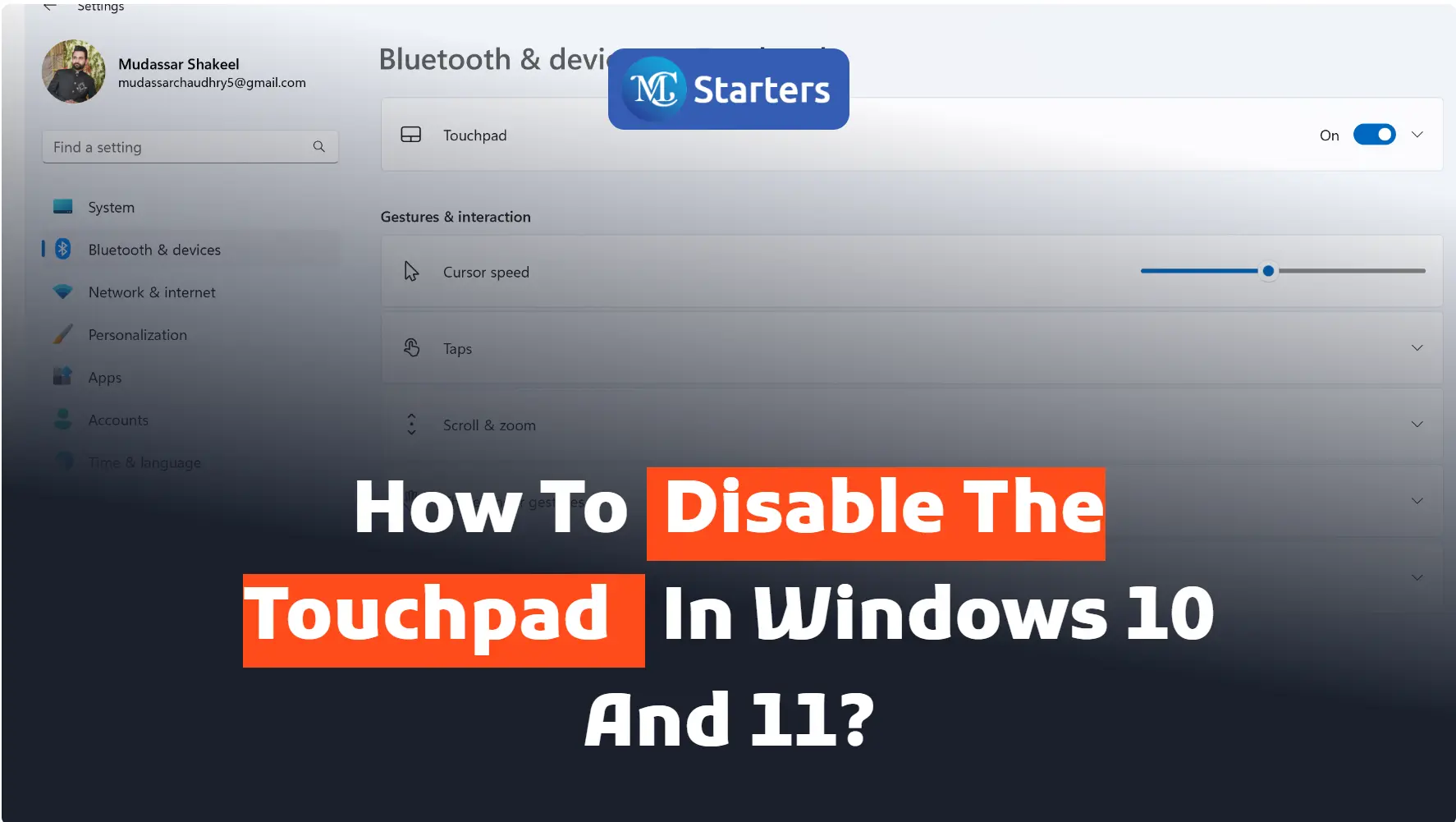
How to Disable the Touchpad on Windows 10 and 11?

Are you looking for a way to disable the touchpad on Windows 10 and 11?

Touchpad is an important tool in Windows 10 and 11. It can add its own functionality without needing an extra mouse. With a touchpad, you can easily scroll down and click on any app. When you disable the touchpad on the laptop, you need an external mouse.

Click Here: Check PC Health with Windows Security

When your touchpad stops working, and you decide to use an external mouse. I am telling you the right way to disable the touchpad on Windows 10 and 11.

Let’s get started

Follow this step by step.

Step 1 Right-click on the “Windows Start button

Step 2 Open “Settings

Step 3 Select “Devices” in the settings list

Step 4 Choose “Touchpad” from the left-sidebar of “Devices” 

Step 5 Then, turn off the touchpad to disable the touchpad

Disabling the touchpad on both Windows 10 and 11 is a useful solution if you prefer using an external mouse or encounter accidental touches while typing. We have provided you with a simple step-by-step guide to help you disable the touchpad effortlessly, giving you more control over your pointed device options.

Do you often use an external mouse instead of the touchpad on your Windows laptop? What benefits do you find in disabling the touchpad when using an external pointing device? Share your experience with us in the comments below!

We hope this article helped to disable the touchpad on Windows 10 and 11

If you enjoyed this post, please subscribe to our YouTube channel. You may also find us on Twitter, Pinterest, Instagram, and Facebook.

How do I disable my touchpad on Windows 10?

On Windows 10, press “Windows key + I” to open Settings, go to Devices > Touchpad, and toggle off “Touchpad.”

How do I enable the touchpad on Windows 11?

To enable the touchpad on Windows 11, press “Windows key + I,” go to Devices > Touchpad, and toggle on “Touchpad.”

Which key disables touchpad?

The specific key to disable the touchpad varies by laptop manufacturer; some laptops have a dedicated touchpad disable key or function key combination (e.g., Fn + F9).

How do I disable the touchpad in Windows 11?

On Windows 11, press “Windows key + I,” go to Devices > Touchpad, and toggle off “Touchpad.”

How do I lock my touchpad?

Some laptops have a touchpad lock feature through a function key combination (e.g., Fn + F6); check your laptop’s user manual for specific instructions.

How to Check PC Health with Windows Security in Windows 10 and 11?

Are you looking for the best way to check PC health with Windows security in Windows 10?

Go to the search box in the taskbar> Type Window security> Device performance & health

Windows security monitors provide a health and issue report for your computer. This health report alerts you of common issues on your computer and provides suggestions to resolve them.

Click Here: Turn off Windows 10 updates permanently.

 In this article, I am telling you how to check computer health with Windows security in Windows 10 and 11.

Check PC Health with Windows Security

To check your health report, follow these steps: 

Step 1 First, go to the search box in the taskbar

Step 2 Write “Window security” and open it.

Step 3 Click on “Device performance & health” to view the health report. The health report areas will appear in a different section. Green flagging shows everything is fine. If you see any flagging issues and resolve them. 

Windows security scans from time to time in the background. It already shows the ‘Last scan date’ so no need to run typically.

The health report will cover this topic.

  • Storage Capacity:  Update Windows if your system’s storage space is running low.
  • Battery Life: If your battery is running low, adjust the brightness.
  • Apps and Software: Continue updating if any installed program fails.
  • Windows Time Services: If your clock is deactivated, it increases the issue on your PC like an internet connection.

In conclusion, keeping your PC healthy and secure is crucial to ensure optimal performance and protect your data from potential threats. Windows 10 and 11 provide powerful built-in tools through Windows Security that enable users to monitor and enhance their PC’s health effortlessly.

We hope this article helped you learn new ways to check PC’s health with Windows security in Windows 10 and 11.

How often do you check your PC’s health using Windows Security? Share your experiences and any additional tips you have for maintaining a healthy PC in the comments below. Let’s learn from each other and keep our PCs running at their best!

If you enjoyed this post, please subscribe to our YouTube channel. You may also find us on TwitterPinterest, Instagram, and Facebook.

How to do a PC health check for Windows 11?

Download Microsoft’s PC Health Check tool from their website or use third-party software to assess your PC’s compatibility with Windows 11.

Is there a PC health check for Windows 10?

Windows 10 doesn’t have an official PC health check, but you can use third-party software or Microsoft’s “Upgrade Advisor” for compatibility assessment.

How to check whether my PC is eligible for a Windows 11 upgrade?

Use Microsoft’s PC Health Check tool or third-party alternatives to determine if your PC meets the required specifications for the Windows 11 upgrade.

How can I check if my PC is OK?

Ensure system updates, malware scans, and hardware functionality, and consider running system diagnostics or using specialized software for comprehensive PC assessment.

Is the PC Health Check automatically installed?

No, PC Health Check is not automatically installed; you must download it from Microsoft’s website or other reliable sources for compatibility evaluation.

How to turn on the Camera in Windows 10 and 11?

Are you looking for a way to turn on the camera in Windows 10 and 11? 

Turn on the camera: Go to the Windows start button>  type camera> right-click on the camera > open and use this.

Allowing Apps to Access Camera: Go to the Windows start> Open setting> Privacy> Press Camera> Click the toggle under “Allow apps to access your camera.”

In the business world, the camera has become an essential part of the modern market. If you face any problems with the camera and can’t find it. It is already installed on your computer apps list. 

Click Here: Set up Night Light Displays on Windows 10 and 11.

In this article, I am telling you the proven way to turn on the camera in Windows 10 and 11.

Turn on the camera

Step 1 Go to the “Windows start” button.

Step 2 Type and search for “Camera”.

Step 3 Left-click on the “camera Windows apps” option and open it.

Step 4 Take the self-photo on a computer camera and do a zoom video call.

Allowing Apps to Access Camera 

Third-party apps always require permission to use. If your camera is not working well in a third-party app like Zoom, please check the camera’s permissions in the privacy setting.

Step 1 Go to the “Windows start” button.

Step 2 Open “setting”.

Step 3 click on “Privacy” in the settings list.

Step 4 Press the “camera” in the privacy sidebar menu.

Step 5 Click the toggle under “Allow apps to access your camera.”

This setting will allow the camera that recently apps install on your PC.

After allowing permission and seeing if the camera is turned on. If the camera is still not working, you need some updates to Windows 10 and 11. Keep everything updated and restart your PC.

Congratulations! You’ve now gained valuable insights into how to turn on the camera in Windows 10 and the latest version, Windows 11. We’ve explored the step-by-step process for both operating systems, ensuring you can make the most of your camera for various applications, from video conferencing to capturing precious moments.

We hope this article helped you learn new ways to turn on the camera in Windows 10 and 11.

If you enjoyed this post, please subscribe to our YouTube channel. You may also find us on TwitterPinterest, Instagram, and Facebook.

How do I activate my camera in Windows 11?

Open a camera-enabled app like Camera or video conferencing software; the camera will activate automatically.

Why is Windows 11 not allowing camera access?

Check Settings > Privacy & security > Camera, ensure “Allow apps to access your camera” is enabled, and update camera drivers if needed.

What is the shortcut key for the camera in Windows 11?

As of my last update in September 2021, Windows 11 didn’t have a specific shortcut key for the camera. Use “Windows key + S” and search for “Camera” to access it.

How do I enable my camera?

Go to Settings > Privacy & Security> Camera, and turn on “Allow apps to access your camera.” Adjust individual app permissions as needed.

How do I test my laptop camera on Windows 11?

To test your laptop camera on Windows 11, open the “Camera” app from the Start menu, and you should see a live view of your camera. You can also take photos or record videos to further check its functionality.

How to Add a Website to Bookmarks in Chrome: Step-by-Step Guide

Did you find the best way to add a website to bookmarks in Chrome?

Imagine having all your frequently visited sites just a click away, organized in one place. Well, you’re in luck!

Click Here: Zoom in and Zoom out on Chrome

In this article, we’ll show you how to add a website to bookmarks in Chrome, streamlining your browsing experience like never before.

Add a Website to Bookmarks in Chrome

Follow these simple steps, you can save your favorite websites on Chrome and easily find them whenever you want to visit them again.

Step 1: First, open the Google Chrome browser on your computer.

Step 2: Type the Website: In the top bar, type the address of the website you want to save. Then press the “Enter” key.

Step 3: Click the “Star“: Look for the little star icon at the top right corner of the Chrome window. Click on it when you find it.

Step 4: A “Popup Window“: After clicking the star, a small window will pop up on the screen.

Customize the Bookmark

Step 5: Customize the Bookmark: You can change the name of the bookmark and decide where to put it by choosing a folder. You can also add tags to make it easier to find later.

Step 6: Save the Bookmark: When you’re done customizing, click the “Done” button to save the bookmark.

Access Your Bookmarks

Step 7: Access Your Bookmarks: To see your saved bookmarks, click on the three dots at the top right corner of Chrome to open the menu. Hover your mouse over “Bookmarks,” and a new menu will show all your bookmarks.

Organize Your Bookmarks

Step 8: Organize Your Bookmarks: If you want to keep your bookmarks tidy, you can create folders for different topics. Click on “Add Folder” in the bookmark manager and give it a name. Drag and drop bookmarks into the folders to keep things organized.

Adding a website to bookmarks in Chrome is a simple feature that allows users to quickly access their favorite websites with just a click. By following these easy steps, you’ll be able to organize your favorite websites efficiently, saving valuable time and effort in the long run.

We hope this article helped you learn new ways to add a website to bookmarks in Chrome.

What’s your favorite website that you’d like to add to your Chrome bookmarks right away? Share it with us in the comments below!

If you enjoyed this post, please subscribe to our YouTube channel. You may also find us on TwitterPinterest, Instagram, and Facebook.

Get Professional Websites