
A great pet care website in 2026 does three things fast: it shows real animals and real people, it makes booking a service take under a minute, and it works just as well on a phone in a parking lot as it does on a desktop. Below are the design patterns worth studying and copying.
Ready for a Website Pet Owners Actually Trust?
Mc Starters designs pet care and veterinary websites built around bookings, not just looks — so browsers turn into clients.
Why Pet Care Website Design Matters More in 2026
Pet owners now research boarding, grooming, and vet care almost the same way they research a hotel: photos first, reviews second, price third. If a site loads slowly or hides its booking button, they bounce to a competitor within seconds.
This matters even more for local businesses. A professional website builds real trust with pet owners who are handing over an animal they love to a stranger, so design choices carry emotional weight, not just aesthetic weight.
What Makes a Great Pet Care Website
Before looking at examples, it helps to have a checklist. The strongest pet care sites in 2026 consistently include:
- Warm, authentic photography — real facilities and real pets, not generic stock photos
- A visible booking or contact action in the header on every single page
- Service pages that answer pricing and process questions without a phone call
- Trust signals — reviews, certifications, staff bios, insurance/vaccination policies
- Mobile-first layouts, since most pet owners search from their phone
- Fast load times, especially for image-heavy galleries
Pet Care Websites Worth Studying
Rover
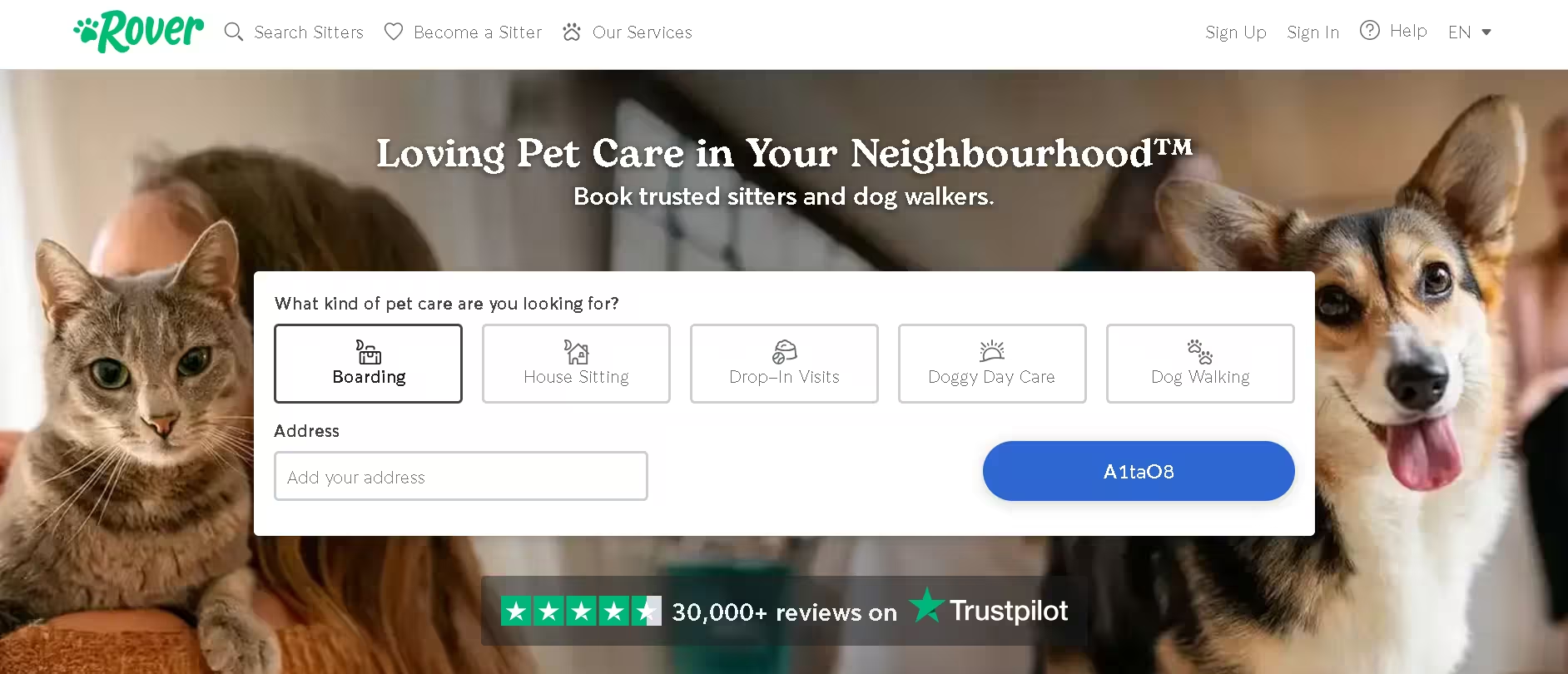
Rover’s site leans on a simple two-column layout: a search box for sitters on one side, warm photography of dogs and owners on the other. The design keeps the primary action — finding care — above the fold at every screen size.
Camp Bow Wow
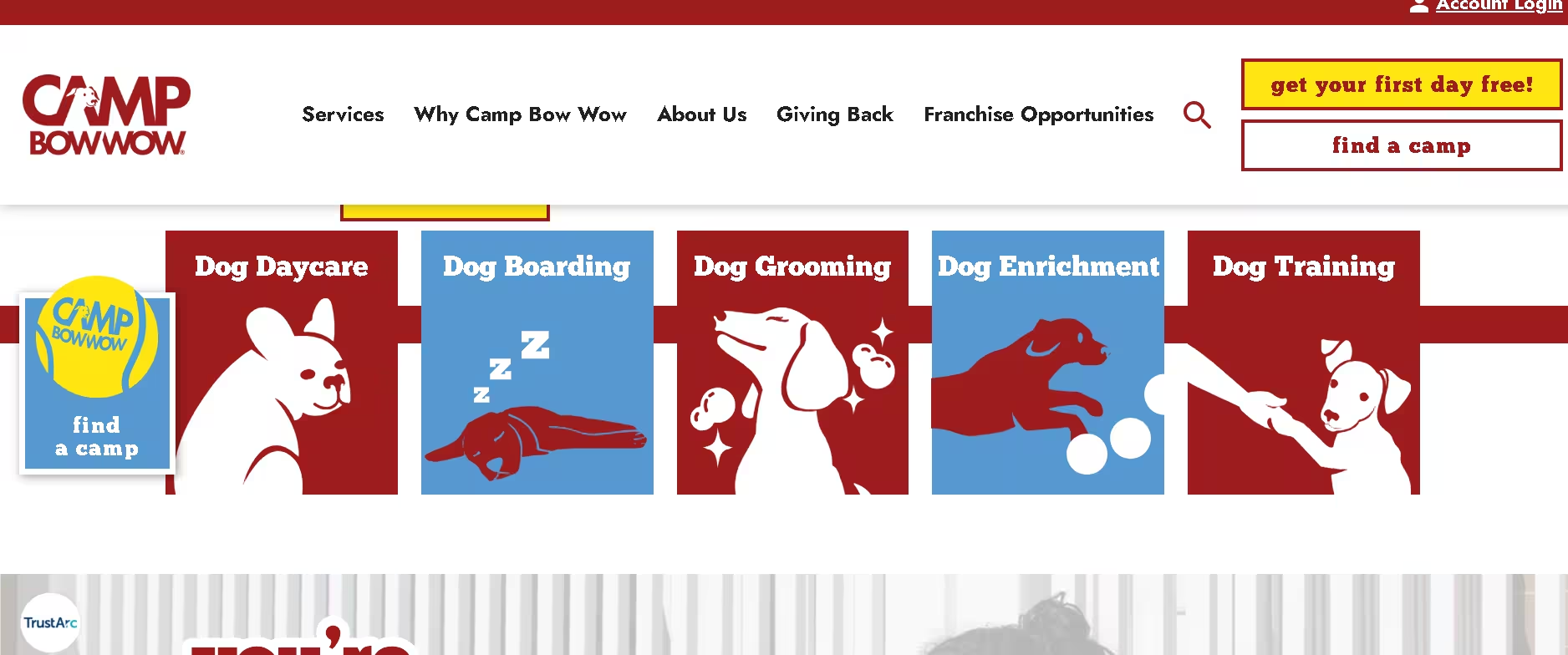
Camp Bow Wow uses bright, high-energy photography and a franchise-locator front and center, which works well for multi-location pet care brands. Their navigation separates “boarding,” “daycare,” and “grooming” clearly instead of burying services in a dropdown.
District Dogs
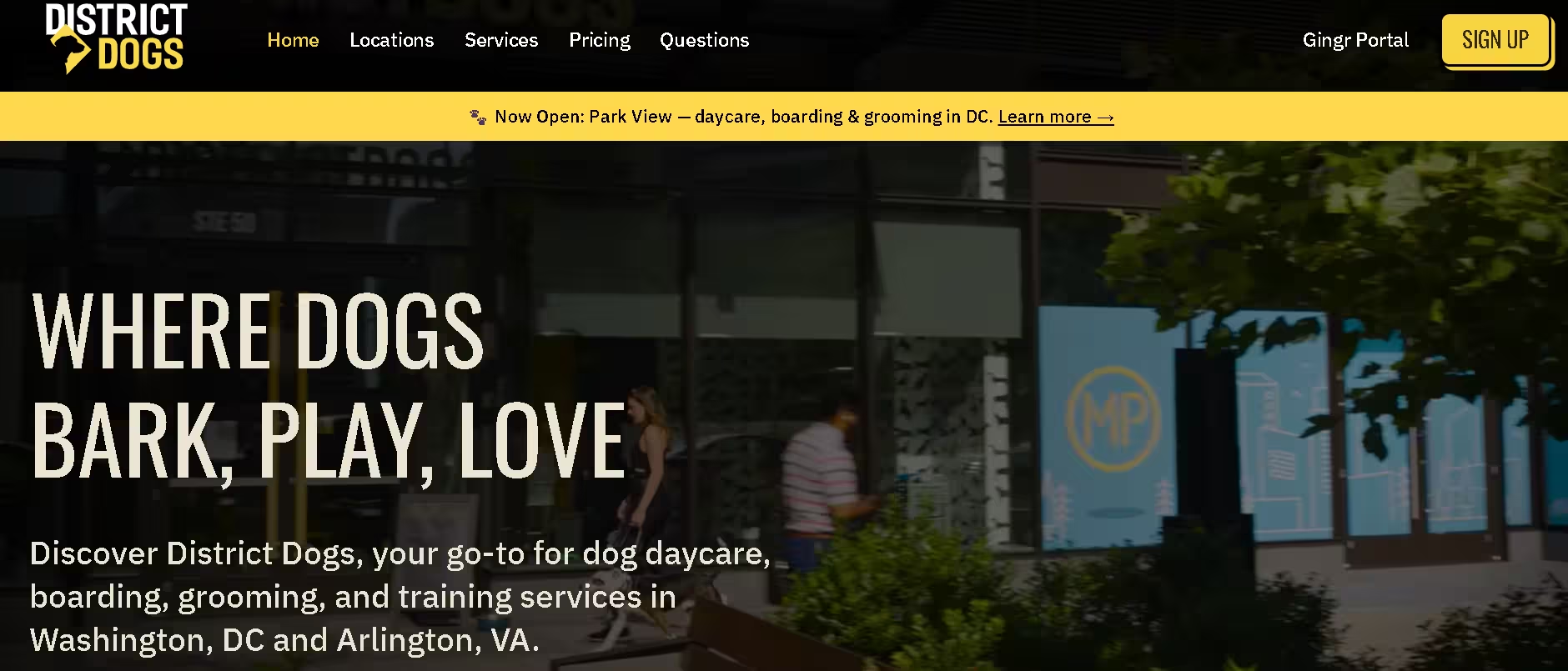
District Dogs’ layout favors bold typography and a playful color palette, paired with a sticky booking button that follows the visitor down the page. It’s a good reference for local, single-location boarding and daycare businesses.
The Farmer’s Dog
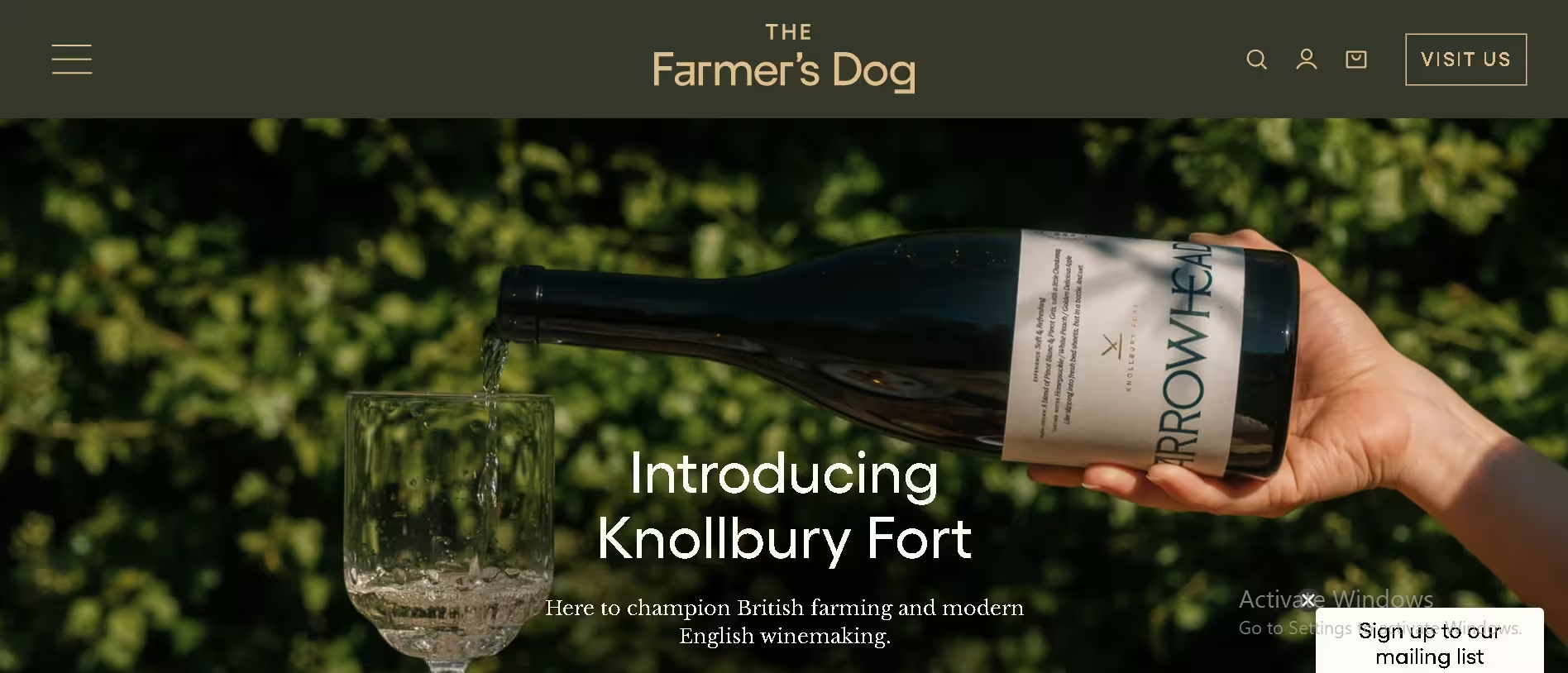
Though it’s a pet food brand rather than a service, this site is a masterclass in emotional storytelling: large lifestyle photography, a short quiz-style intake flow, and copy that speaks directly to the owner’s worries about their pet’s health.
Comparison Table: What Each Site Does Best
| Website | Standout Design Element | Best For |
|---|---|---|
| Rover | Search-first homepage layout | Marketplaces / sitter directories |
| Camp Bow Wow | Multi-location finder + bold photography | Franchises |
| District Dogs | Sticky CTA + playful branding | Local boarding & daycare |
| The Farmer’s Dog | Emotional storytelling + quiz intake | Subscription pet brands |
Want a Site That Looks This Good in Your Local Market?
Whether you run a grooming studio, boarding facility, or vet clinic, Mc Starters can build a custom Elementor or Divi site tailored to your services.
Design Trends Shaping Pet Care Websites in 2026
Pet care design is following the same broader web design trends shaping other local service industries, with a few pet-specific twists.
- Video over static hero images. Short looping clips of pets at play convert better than a single photo.
- Simplified booking widgets. Multi-step forms are being replaced with single-screen calendar pickers.
- AI-assisted personalization. Some sites now use AI to recommend services based on pet type or breed entered at signup.
- Sustainability and welfare messaging. More pet brands are dedicating a visible section to sourcing, safety, or humane-care practices.
- Micro-interactions. Small animations — a paw print that appears on hover, a subtle loading state — add polish without slowing the page down.
Common Design Mistakes to Avoid
Even well-meaning pet care businesses run into the same handful of problems:
- Stock photography of pets that don’t match the actual facility — pet owners notice, and it erodes trust fast.
- Booking buried three clicks deep, which is one of the most common reasons a website isn’t bringing in leads.
- No pricing information at all, forcing owners to call just to get a ballpark figure.
- Slow-loading galleries from unoptimized, full-resolution images.
- Desktop-only thinking, when the majority of pet-service searches happen on mobile.
How to Apply These Lessons to Your Own Pet Care Website
You don’t need a marketplace-sized budget to borrow these ideas. Start by auditing your current site against the checklist above, then prioritize fixes that affect conversion rate and UX first — booking visibility, load speed, and mobile layout.
If you’re building from scratch, a strong Elementor template built for business websites can shortcut a lot of the layout work, letting you focus on photography and copy instead of starting from a blank canvas.
Conclusion
The best pet care website design in 2026 isn’t about flashy animation — it’s about warm photography, an obvious booking path, and a mobile experience that doesn’t make pet owners wait. Study the examples above, run your own site through the checklist, and fix the gaps that matter most: visibility of your booking action, real photos of your facility, and page speed on mobile.
FAQs
What makes a pet care website design effective?
An effective pet care website combines authentic photography, an easy-to-find booking action, clear pricing, and a fast, mobile-friendly layout. Trust signals like reviews and staff credentials also play a major role in conversion.
Should pet care businesses use stock photos or real photography?
Real photography performs better. Pet owners are handing over an animal they care about, and generic stock photos of unrelated pets or facilities reduce trust compared to authentic images of your actual space and team.
How important is mobile design for a pet care website?
It’s critical. Most pet owners search for grooming, boarding, or vet services from their phones, often while already out and about, so a mobile-first layout with a visible booking button directly affects lead volume.
What should be included on a pet care service page?
At minimum, include a clear description of the service, starting price or price range, what’s included, and a direct booking or contact action — so visitors don’t need to call just to get basic information.
How often should a pet care website be redesigned?
Most businesses benefit from a design refresh every two to three years, or sooner if booking conversions are dropping, the site isn’t mobile-optimized, or the photography no longer reflects the current facility or team.
Turn Your Pet Care Website Into a Booking Machine
Get a design that pairs trustworthy photography with a frictionless booking flow — built specifically for pet care and veterinary businesses.